What Causes Pool Foam and How to Fix It: A Clear Water Guide
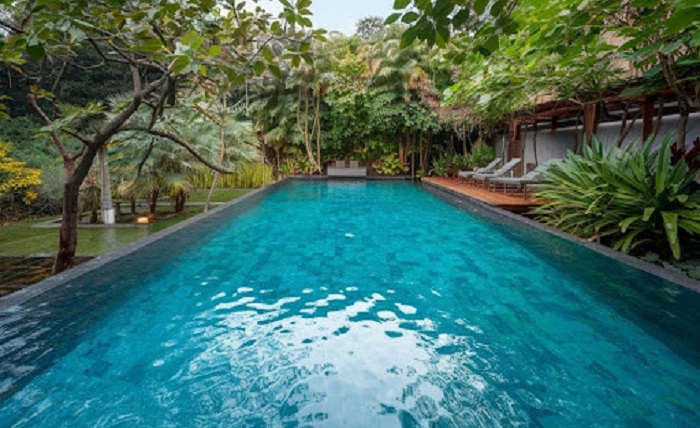
Walking out to your backyard oasis only to find the water looking more like a bubble bath than a swimming pool is a disheartening experience. While a few bubbles from a cannonball are normal, thick, frothy foam that lingers on the surface is a clear indicator that something is chemically wrong with your water.
Pool foam is unsightly and often unhygienic. It suggests that the water has become “thick” with contaminants, increasing the surface tension and allowing bubbles to trap air rather than popping immediately. Solving this issue requires a bit of detective work to identify the root cause, followed by a targeted chemical or mechanical fix. This guide explores why your pool is foaming and provides practical steps to restore the crystal-clear sparkle.
The Primary Culprit: Organic Load and Body Oils
The most common cause of foamy water is a high concentration of organic contaminants. When swimmers enter the pool, they bring a host of invisible substances with them. Sunscreen, tanning oils, body lotions, deodorants, hair products, and natural body sweat all wash off into the water.
These substances act as surfactants. In simple terms, they reduce the surface tension of the water. When the water is agitated by return jets, waterfalls, or splashing, these oils trap the air, creating a layer of foam that refuses to dissipate. This is particularly common after a weekend of heavy usage or a pool party where the bather load exceeded the sanitiser’s ability to oxidise the waste.
Household Products and Laundry Detergent
Another frequent contributor to foam is laundry detergent. It is natural to wash swimwear after a day at the beach or pool, but modern washing machines often leave a residue of detergent in the fabric. If swimmers jump into the pool wearing bathers that have not been thoroughly rinsed, that residual soap leaches into the water.
Since detergent is specifically designed to create suds and foam, even a small amount introduced by several people can have a dramatic effect on a large volume of water. This is why public pools often require a shower before entry—to rinse off both body oils and soap residues.
The Impact of Low Calcium Hardness
Water balance is a delicate ecosystem. While most pool owners focus on pH and chlorine, Calcium Hardness is often overlooked. Water wants to be balanced. If the calcium levels are too low, the water becomes “soft.”
Soft water is naturally more prone to foaming than hard water. Think of how difficult it is to get a good lather from soap in hard water compared to soft water. If your Calcium Hardness drops below the recommended range (typically 200 to 400 parts per million), simply turning on the spa jets or a water feature can result in a mountain of foam.
Cheap Algaecides and Chemical Byproducts
In the fight against green water, many pool owners reach for an algaecide. However, not all chemicals are created equal. Lower-quality, linear quat algaecides are notorious for causing foam. If you recently treated your pool for algae and woke up to bubbles, the chemical itself is likely the cause.
These algaecides contain compounds that lower surface tension. While they might kill the algae, the side effect is a foamy surface that can take days or weeks to break down naturally. It is always better to use high-quality, non-foaming algaecides or rely on chlorine shock to handle algae blooms.
Mechanical Causes: The Air Leak
Sometimes, the bubbles are not chemical at all. If the foam is thin, white, and dissipates relatively quickly when the pump turns off, you might have an air leak in your suction line.
If air is being drawn into the system through a loose pump lid, a cracked pipe, or a faulty o-ring, that air gets churned up by the impeller and shot out of the return jets. This creates a constant stream of micro-bubbles that can look like foam. The key difference is that mechanical foam usually pops faster than chemical foam, which tends to pile up and drift like snow.
Step One: Test and Balance the Water
To fix the foam, you must first ensure your base chemistry is solid. Test your water using a reliable liquid kit. Adjust the pH to between 7.4 and 7.6 and ensure your Total Alkalinity is within the 80 to 120 ppm range.
Crucially, check your Calcium Hardness. If it is low, add a calcium hardness increaser (calcium chloride). Often, simply bringing the calcium levels up to the appropriate standard is enough to harden the water and pop the bubbles.
Step Two: Shock the Pool
If the cause is organic overload from sunscreens and sweat, you need to break those contaminants down. The most effective way to do this is by shocking the pool. A strong dose of chlorine (or non-chlorine oxidiser) will burn off the organic compounds that are causing the tension issues.
Shocking the pool oxidises the oils and soap residues, essentially turning them into gas that bubbles out of the water. You may notice the foam gets slightly worse immediately after shocking as the reaction occurs, but it should clear up within 24 hours as the filter removes the breakdown products.
Step Three: Physical Cleaning and Skimming
Chemicals work best in clean water. If your pool has debris floating on top, that debris is constantly breaking down and adding more organic material to the water. Removing this source is vital. Using an advanced pool skimmer ensures that leaves, bugs, and surface oils are captured continuously. By automating the surface cleaning, you prevent these contaminants from dissolving and contributing to the foam problem.
Similarly, the floor of the pool can harbour organic sediment that feeds the issue. Scrubbing the walls and vacuuming the floor helps release dirt so the filter can trap it. Utilising a robotic pool cleaner is the most efficient way to handle this. These devices scrub the surfaces and filter the water at the bottom of the pool, ensuring that the entire vessel is free of the organic load that causes foaming.
Step Four: Anti-Foam Agents
If you have a pool party planned in an hour and do not have time for a shock treatment to work, you can use an anti-foam agent (defoamer). These are oil-based chemicals that adhere to the foam bubbles and weaken their structure, causing them to burst.
However, it is important to understand that defoamers are a band-aid, not a cure. They mask the symptom but do not remove the contaminants causing the foam. The foam will eventually return if you do not address the underlying chemistry or organic load.
Prevention is Better Than Cure
Once you have cleared the foam, taking small steps can prevent it from returning. Encourage guests to rinse off in a shower before entering the pool to remove lotions and soap. Ask family members to rinse their swimwear with plain water rather than washing them with heavy detergents.
Regularly using an enzyme product can also be a game-changer. Pool enzymes naturally break down non-living organics like fats and oils before they can accumulate enough to cause foam. By combining preventative habits with consistent cleaning and balancing, you can ensure your pool remains an inviting, bubble-free sanctuary all summer long.