
How Indian Currency Standards Inspire Modern Philippines Payment Technologies
Introduction
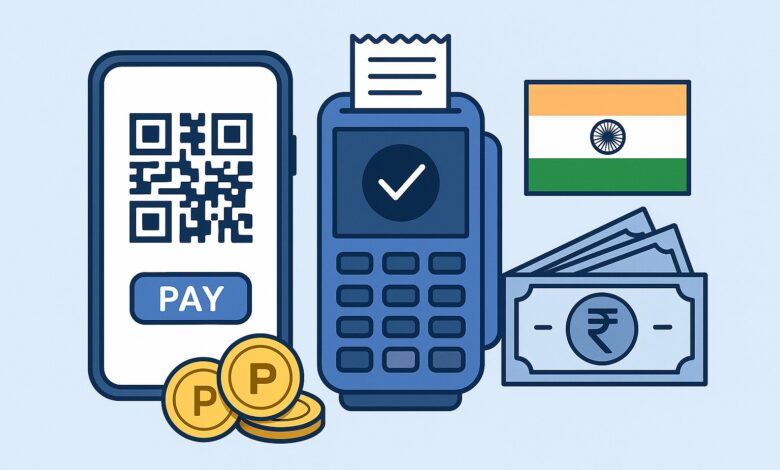
Asia is experiencing one of the fastest shifts toward digital finance in the world. What once revolved around physical money has evolved into a dynamic ecosystem of mobile wallets, advanced payment rails, identity verification, and unified digital platforms. Two countries leading this transformation—though in very different ways—are India and the Philippines.
India’s rise as a global fintech leader reshaped the way indian currency moves across physical and digital channels. Meanwhile, the Philippines is in a high-growth stage, expanding mobile wallet usage, digitizing remittances, and modernizing financial access. By studying the evolution, structure, and standards of indian currency, developers and policymakers in the Philippines can better understand how to accelerate the 菲律宾支付 ecosystem.
This article explores how Indian currency standards—covering security, interoperability, identity systems, digital frameworks, and accessibility—serve as powerful inspirations for shaping the next era of Philippines payment technologies.
Understanding Indian Currency Standards: A Foundation for Digital Evolution
Before examining how these standards apply to the Philippines, it’s important to understand what makes indian currency unique in the global financial landscape.
India’s currency standards evolved from traditional banking oversight into a deeply structured, technology-enabled framework. These standards influence everything from physical note design to user verification in digital environments.
Core Components of Indian Currency Standards
- Security Features
Anti-counterfeit measures, holograms, microprinting, and material standards help maintain trust in physical money. - Regulated Issuance and Circulation
Centralized policies ensure stability, consistency, and transparency. - Interoperability Across Payment Platforms
Digital transactions tied to indian currency follow standardized protocols that make payments swift and universal. - Identity-Linked Financial Systems
India’s integration of identification with payments increased security and financial inclusion. - Open Digital Infrastructure
Platforms supporting digital payments were built to allow innovation on top of existing rails.
These standards are not just national tools—they form a blueprint for any country navigating the digital transformation of its financial system.
The Rise of Digital Systems in India: A Direct Result of Strong Currency Standards
The digital boom in India did not happen overnight. The evolution of indian currency—combined with policy, technology, and cultural shifts—created an environment where digital payments thrive.
The Cultural Transition from Cash to Digital
India historically relied heavily on cash, but digital payment systems complemented indian currency instead of replacing it. This hybrid model helped users transition gradually.
Rapid Expansion of Mobile-Based Payments
Mobile apps enabled fast transfers using identifiers like:
- phone numbers
- QR codes
- virtual payment addresses
These systems reflect how standardized digital rails enable seamless handling of indian currency in both peer-to-peer and merchant transactions.
Interoperability and Open Banking
India adopted a highly interoperable payment structure, allowing all financial institutions and digital providers to connect through shared rails. This became a powerful model for the philippines payment industry to study.
Digital Identity and Authentication
Identity-linked payment capabilities reduced fraud, increased trust, and simplified onboarding. These innovations significantly boosted the adoption of digital tools tied to indian currency.
The Philippines Payment Landscape: A Growing System with Strong Potential
The Philippines has a rapidly growing digital financial environment shaped by high mobile usage, expanding e-commerce, and increasing trust in digital tools. Yet, the philippines payment ecosystem still faces challenges that India addressed years earlier.
The Key Strengths of the Philippines Payment System
- Widespread mobile wallet adoption
- A unified QR system (QR Ph)
- Strong remittance integration
- Growing government digitalization
Remaining Gaps in the Philippines Payment Landscape
- Limited rural connectivity
- Fragmented digital identity adoption
- Inconsistent interoperability between platforms
- Higher reliance on physical cash
India’s currency standards and digital structure offer solutions to many of these challenges, making India’s evolution especially relevant to the Philippines.
How Indian Currency Standards Inspire Modern Philippines Payment Technologies
Here are the most influential areas where India’s approach to currency and digital systems can inspire and accelerate Philippines payment technologies.
Inspiration #1: Strong Security Standards Build Public Trust
India implemented advanced security features for both physical and digital currency operations. These enhanced confidence in indian currency and encouraged adoption of digital systems.
How This Applies to the Philippines
- Strengthen security protocols for digital wallets
- Improve encryption for digital payment rails
- Enhance fraud detection algorithms
- Promote transparency in transaction safety
A secure system encourages more users—especially older demographics—to trust philippines payment technologies.
Inspiration #2: Interoperability is Essential for Widespread Adoption
One of India’s most defining currency standards is the interoperability across digital payment systems.
Impact of Indian Interoperability
- Users can move indian currency seamlessly between apps, banks, and merchants
- Frictionless transfers created massive user adoption
- Businesses benefited from faster settlement systems
Application for the Philippines
- Deeper integration between banks and mobile wallets
- Interlinked remittance platforms connected to digital wallets
- Expansion of QR Ph for all merchant levels
Interoperability reduces fragmentation, creating a unified philippines payment system.
Inspiration #3: Identity-Linked Systems Reduce Fraud and Increase Reach
Digital transformation in India was heavily supported by identity standards that helped verify users, secure transactions, and simplify financial onboarding.
Impact on Indian Currency Usage
- Fraud reduced dramatically
- Easier financial access for rural populations
- Stronger trust in digital alternatives to cash
- More transparent movement of indian currency across digital channels
Potential for the Philippines
- Introduce stronger digital ID verification
- Offer instant account creation powered by identity checks
- Improve lender ability to assess creditworthiness
- Reduce fraudulent digital wallet accounts
Identity-based systems could accelerate adoption of philippines payment technologies in underserved regions.
Inspiration #4: Unified QR Codes Make Merchant Payments Universal
India’s universal QR standard allowed any merchant—from taxis to local food stalls—to accept digital payments tied to indian currency.
What the Philippines Can Learn
- Strengthen QR Ph compliance
- Encourage large and micro merchants alike to adopt QR-based payments
- Integrate QR acceptance with banking and wallet systems
Making QR payments universal will support even the smallest businesses in the philippines payment ecosystem.
Inspiration #5: Low-Cost Transfers Drive Mass Adoption
The popularity of digital payments in India was fueled by low or zero fees. People could use digital alternatives without financial pressure.
Lessons for the Philippines
- Reduce bank transfer fees
- Encourage wallet-to-bank free transfer initiatives
- Introduce subsidies for digital transactions in low-income communities
Low-cost systems attract users transitioning from cash to digital platforms.
Inspiration #6: Open Digital Infrastructure Promotes Innovation
India’s payment ecosystem thrives because it was intentionally built as an open digital platform. Fintech companies can innovate while still operating on secure, standardized rails.
For the Philippines, this means:
- More competition
- Faster innovation cycles
- New credit, savings, and investment tools
- Better digital payment features
- A more dynamic philippines payment environment
Borrowing this model can accelerate Philippines fintech growth significantly.
Direct Comparisons: Indian Currency Standards vs. Philippines Payment Technologies
Here is a detailed comparison showing how Indian currency principles align with the Philippines’ digital payment landscape.
Currency Stability and User Behavior
| Feature | Indian Currency | Philippines Payment Landscape |
| Stability | Strong, regulated | Growing digital stability |
| Trust level | High after digital reforms | Increasing with wallet adoption |
| Cash reliance | Strong but declining | Strong with rapid decline expected |
| User digital adoption | Very high | High, with strong growth potential |
Digital Infrastructure
| Area | India | Philippines |
| Interoperability | Full-scale | Moderate, expanding |
| Merchant reach | Nationwide | Strong in cities, growing in provinces |
| Identity-linked systems | Highly integrated | Early-stage |
| Government digital push | Very strong | Accelerating |
How Indian Currency Standards Influence the Philippines Payment Future
The evolution of indian currency offers a clear roadmap for enhancing the philippines payment industry. Here are the major influence areas:
Influence on Merchant Ecosystems
India’s universal merchant payment network shows that simplicity and accessibility fuel adoption. This inspires the Philippines to expand QR Ph and encourage digital acceptance among microbusinesses.
Influence on Digital Identity
Secure verification standards in India inspire stronger ID-linked Philippines payment systems that reduce fraud and improve financial inclusion.
Influence on Interoperability
Seamless movement of indian currency across payment apps influences the Philippines to accelerate interoperability beyond wallets and banks.
Influence on Remittance Digitization
India’s efficient remittance systems serve as a model for making Philippine remittances faster, cheaper, and easier for OFWs and families.
Influence on Financial Inclusion Policies
India’s currency-based digital inclusion programs can guide the Philippines toward targeted programs supporting rural communities, unbanked individuals, and micro-enterprises.
What the Philippines Payment System Could Look Like by 2030
Based on Indian inspiration, the Philippines may experience:
Universal QR-based payments
Every corner store, street vendor, taxi, and service provider may accept QR payments.
Strong national digital identity integration
Identity-linked payments will minimize fraud and boost access to loans and credit.
Fully interoperable systems
Wallets, banks, remittance platforms, and e-commerce systems will connect on a unified financial rail.
Inclusion-driven financial products
Microloans, savings tools, micro-insurance, and investment options will be accessible through mobile apps.
Near-cashless metropolitan zones
Cities could evolve into environments where cash plays a secondary role to digital payments.
Conclusion
The evolution of 印度货币 is more than a transformation within India—it is a living blueprint for the modernization of financial systems across Asia. Its standards reinforcing security, interoperability, identity, digital rails, and merchant accessibility offer powerful lessons for the Philippines.
As the philippines payment industry continues to grow, incorporating these lessons will help the nation build a stronger, safer, more efficient, and more inclusive payment ecosystem. The Philippines has already taken major steps forward, but the influence of India’s success story may shape its future innovations for years to come.


