
Monetization Models That Increase Revenue in Mobile App Development
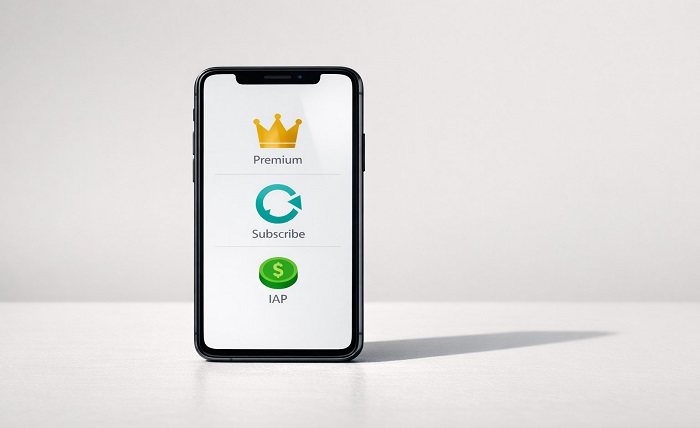
Effective monetization is crucial for building sustainable revenue streams in mobile app development. Choosing the wrong model can erode user trust and hinder long-term growth, while a thoughtful approach supports retention and engagement. This article examines relevant monetization models, practical implementation considerations, and strategies for aligning your approach with user expectations.
Monetization stands at the heart of every app product decision, directly shaping user experience and business outcomes. Some mobile apps in regulated sectors, such as online gambling, illustrate how revenue strategies can vary by audience and legal context, including payment preferences seen in PayID casinos for Australians. Selecting a monetization model requires analysing retention, value perception, and potential risks to user trust. A strong understanding of these dynamics helps you avoid common pitfalls and support the longevity and health of your app business.
How monetization decisions shape app success
The choice of monetization model is more than a technicality. It is a fundamental product decision that impacts the entire user lifecycle. A well-aligned approach can improve user satisfaction and loyalty, whereas treating monetization as an afterthought often results in low adoption and churn.
Imagine releasing an entertainment app with aggressive paywalls introduced late in the user journey. Without aligning monetization strategies with the core audience and their usage patterns, you risk undermining retention and eroding trust. Users can perceive when revenue models hinder the experience rather than provide additional value.
Understanding the main app revenue models
Freemium models remain popular because they lower the barrier to entry, using feature gates or usage limits to promote paid conversion. These models work best when your app delivers value even before payment, nudging users toward premium features as their investment in the experience deepens.
Subscription models fit applications offering ongoing content, service access, or continually updated resources. This approach can generate recurring revenue and can incentivise frequent user engagement, particularly in media, news, and cloud-based utility sectors.
The in app purchases model is well suited for apps that sell consumable items, upgrades, or unique digital goods, with flexibility to cater to both light and heavy users. Advertising as a revenue stream can take the form of rewarded ads that users voluntarily engage with, interstitial ads shown at natural breaks, or native ads blended into app content.
Each approach presents trade-offs. Advertising models may boost short-term returns but can also degrade user experience if not thoughtfully integrated. The in app purchases model often requires careful balancing so that spending enhances, rather than frustrates, regular use.
Matching models to app category and user need
Different app categories favour specific monetization strategies due to user intent and perceived value. Utility apps may use ad-supported or subscription frameworks, leveraging frequent, value-driven interactions. In contrast, content-rich apps, such as games and streaming services, often blend subscriptions and in app purchases, aiming for repeated engagement and incremental spending.
Social and marketplace apps often rely on transaction-based revenue streams or in app purchases, while entertainment apps may combine multiple models. The success of your app depends on matching price sensitivity to how users value your offering and how often they return.
For instance, the in app purchases model may appeal to users seeking one-off upgrades, whereas subscription users generally seek consistent, predictable service delivery. Regional expectations can differ, and audience tolerance for various models may vary between markets and over time. Aligning pricing and offers to local economic conditions can improve conversion rates and support goodwill.
Implementation and optimisation of monetization models
The placement of paywalls and prompts during onboarding significantly impacts new user conversion. Transparent pricing pages, simple onboarding flows, and sensible trial periods can encourage initial participation without overwhelming users.
Consider that the in app purchases model works better when users see clear value and ease of transaction, rather than facing confusing payment sequences. Localising prices, understanding regional tax requirements, and adhering to platform guidelines help reduce compliance issues and unintentional barriers.
It is important to track user behaviour and revenue impact through privacy-aware analytics, respecting data minimisation principles while still gathering actionable insights. Prioritise user experience to avoid overwhelming support channels and technical infrastructure, simplifying monetization logic where possible to minimise friction.
Testing different price points and offer structures can help confirm what resonates with users. When changes are introduced, monitoring complaints, refund rates, and engagement patterns can help identify issues early.
Measuring outcomes and maintaining user-centricity
Evaluating performance often involves tracking metrics including average revenue per user (ARPU), average revenue per paying user (ARPPU), conversion rates, and churn. Retention cohorts and lifetime value (LTV) can provide deeper insight into user loyalty and spending habits.
Controlled A B testing can identify improvements without risking user trust or satisfaction. Responsible monetization also benefits from avoiding deceptive patterns, maintaining transparency, and leaving users comfortable with spending decisions.
Giving users control over purchasing decisions and opting out of non-essential tracking can reinforce a respectful relationship and can increase long-term engagement. Sometimes, simplifying the monetization structure can improve support outcomes by reducing confusion and post-purchase issues.
When users understand what they are paying for, they are more likely to remain engaged. Clear cancellation and refund pathways can also help preserve trust, particularly in subscription-based apps.
Building monetization frameworks for sustainable growth
Selecting and iterating on monetization models is a continuous process shaped by shifting user preferences, platform policies, and regulatory considerations. The in app purchases model and other common approaches can remain relevant when balanced with value delivery, trust, and usability.
Over time, sustainable growth tends to come from aligning business goals with user needs and product quality. A measured approach to monetization supports enduring revenue streams while maintaining a positive reputation and strong user relationships.


